Source Overhead Aluminium Conductor Sip for Power Grids
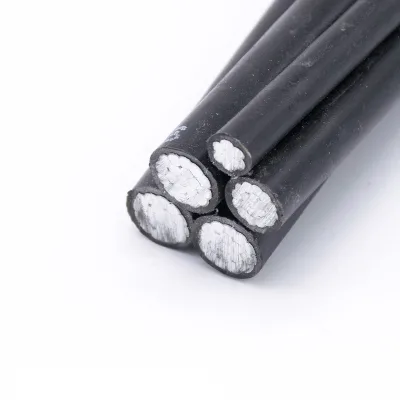
Find 30 verified listings for overhead aluminium conductor sip suitable for power transmission, distribution networks, and industrial installations. Compare specifications including AAC, AAAC, and ACSR models from manufacturers in China with certifications like CE and ISO; compare the available evidence and request quotations based on your requirements.
Key considerations
Products List




Comprehensive Sourcing Guide
Overhead Aluminium Conductor Sourcing Guide
Sourcing overhead aluminium conductors requires a disciplined approach to technical verification and commercial due diligence. Buyers must navigate a market where product attributes vary significantly between suppliers, even within the same category. The core keyword highlights a specific segment of power transmission infrastructure, where reliability and compliance are non-negotiable. This guide provides a structured framework for evaluating listings, ensuring that procurement decisions are grounded in observable facts rather than marketing claims.
The following sections detail the critical steps for validating product scope, technical specifications, and supplier qualifications. By focusing on evidence-based verification, buyers can mitigate risks associated with non-compliant materials or inconsistent manufacturing standards. This approach ensures that the selected conductors meet the rigorous demands of overhead line applications, supporting long-term grid stability and operational safety.
Product Scope and Observed Listing Signals
The observed product landscape reveals a diverse range of overhead aluminium conductors, primarily categorized by their structural composition and application. Listings frequently reference specific conductor types such as AAC (All Aluminium Conductor), AAAC (All Aluminium Alloy Conductor), and ACSR (Aluminium Conductor Steel Reinforced). These variations indicate that buyers must carefully distinguish between pure aluminium strands and composite structures, as each type offers distinct mechanical and electrical properties suitable for different overhead line environments.
Observed listing signals also highlight significant variability in packaging and origin. Products are commonly packed in wooden drums, iron-wooden drums, or steel reels, with origins predominantly traced to regions like Henan and Jiangsu in China. Buyers should note that while some listings offer customization, others adhere to standard models. Understanding these signals helps in filtering suppliers who can meet specific logistical requirements and technical preferences, ensuring that the selected product aligns with the project’s physical and operational constraints.
Technical Specifications to Verify
Technical verification begins with confirming the conductor material and structure. Listings indicate that aluminium is the primary conductor material, often in a stranded configuration with round wire shapes. Buyers must verify the number of wires, which can range from 7 to 91 strands, as this directly impacts flexibility and tensile strength. Additionally, the class of conductor, often listed as Class 2, should be confirmed to ensure it meets the specific bending and installation requirements of the overhead line project.
Cross-sectional area is another critical specification to validate. Observed standards include a wide range of sizes, from 0.75 sqmm to 630 sqmm, with some listings specifying customerized options. Buyers must ensure that the selected cross-section aligns with the current carrying capacity and voltage drop requirements of the network. Verifying these numerical ranges against project specifications prevents under-sizing or over-sizing, which can lead to inefficiencies or safety hazards in the final installation.
Compliance and Safety Documentation
Compliance with international and regional standards is essential for overhead aluminium conductors. Listings frequently cite certifications such as CE, RoHS, CCC, and ISO, alongside standards like IEC, ASTM, BS, DIN, and GB. Buyers must verify that the supplier holds valid certificates for the specific product model and that these certifications are current. This verification ensures that the conductors meet the safety and quality benchmarks required by local regulations and international best practices.
In addition to certifications, buyers should request detailed test reports and material certificates. These documents provide evidence that the conductors have undergone rigorous testing for mechanical strength, electrical resistance, and corrosion resistance. While some listings mention warranties of 12 months, buyers should not rely solely on warranty terms. Instead, they should prioritize suppliers who provide transparent and verifiable compliance documentation, ensuring that the products are fit for purpose and legally compliant in the destination market.
Cost Drivers and Commercial Terms
Cost drivers for overhead aluminium conductors include raw material prices, manufacturing complexity, and packaging requirements. Aluminium is a volatile commodity, and its price fluctuations can significantly impact the final cost. Buyers should be aware that customization options, such as specific strand counts or cross-sectional areas, may incur additional charges. Understanding these drivers helps in budgeting accurately and negotiating fair prices with suppliers.
Commercial terms also play a crucial role in the total cost of ownership. Listings indicate trade terms such as FOB, CIF, and CFR, with shipping ports like Qingdao and Shanghai commonly used. Buyers should evaluate these terms in the context of their logistics capabilities and risk tolerance. Additionally, sample availability, often provided for free, can be a valuable tool for initial quality assessment. However, buyers must factor in shipping and handling costs when evaluating the true cost of samples and bulk orders.
Supplier Qualification and Quality Control
Supplier qualification is a critical step in the sourcing process. Buyers should verify the business type, with many listings indicating that suppliers are manufacturers with over 20 years of experience. This experience can be a positive indicator of manufacturing capability and consistency. However, buyers must also assess the supplier’s quality control processes, including their adherence to standards like ISO 9001, which is often referenced in the background.
Quality control extends to the production and packaging stages. Listings mention various packaging methods, such as wooden drums and steel reels, which must protect the conductors during transit. Buyers should request evidence of quality control measures, such as in-process inspections and final product testing. Engaging with suppliers who demonstrate a robust quality management system reduces the risk of receiving defective products and ensures that the conductors meet the specified technical requirements.
Long-Term Procurement Checks
Long-term procurement success depends on establishing a reliable supply chain and maintaining ongoing quality assurance. Buyers should conduct periodic audits of their suppliers to ensure continued compliance with standards and specifications. This includes verifying that the supplier’s certifications remain valid and that their manufacturing processes have not changed in ways that could affect product quality. Regular communication and feedback loops help in addressing any issues promptly.
Additionally, buyers should monitor market trends and technological advancements in overhead conductor technology. Staying informed about new materials or manufacturing techniques can provide opportunities for cost savings or performance improvements. By maintaining a proactive approach to supplier management and market analysis, buyers can ensure that their procurement strategy remains effective and aligned with the evolving needs of their power transmission infrastructure projects.
FAQs
What certifications do overhead aluminium conductor sip products have?
These products typically hold VDE, RoHS, CCC, CE, and ISO certifications. Specific listings confirm compliance with standards like IEC, ASTM, BS, DIN, and GB. Buyers should verify the exact certification list for each supplier to ensure it matches project requirements and local regulations.
Can I get samples of bare aluminium conductors before ordering?
Yes, samples are provided and can be available for free depending on the supplier. This allows buyers to verify the stranded round wire quality and aluminum material before committing to a large order. Contact the manufacturer directly to arrange sample requests and shipping details.
Which conductor types are available for overhead applications?
Available types include AAC, AAAC, and ACSR bare conductors designed for overhead use. These stranded aluminum wires come in various sizes ranging from 0.75 sqmm up to 630 sqmm. The specific model depends on the required current capacity and mechanical strength for your installation.
How is the packaging handled for shipping these conductors?
Products are packed on wooden drums, iron-wooden drums, or steel reels as required. Some suppliers offer custom packaging solutions to meet specific shipping needs. This ensures the round wire remains protected during transit via sea or other requested transport methods from ports like Qingdao or Shanghai.
What is the warranty period for these aluminium conductors?
The standard warranty period offered is 12 months for the supplied products. This coverage applies to manufacturing defects and material integrity under normal operating conditions. Buyers should confirm specific warranty terms with the manufacturer to understand the scope of protection provided.
Can manufacturers customize the conductor specifications for my project?
Customization is available for conductor specifications, including standard sizes and custom orders. Manufacturers with over 20 years of experience can tailor products to meet unique requirements. This flexibility allows buyers to specify exact dimensions, stranding, or material properties for their specific overhead line applications.
Where are these overhead conductors manufactured and shipped from?
Products originate from manufacturing locations in Henan, Zhengzhou, and Jiangsu, China. Shipping is typically arranged from major ports like Qingdao or Shanghai. Buyers can request specific shipping ports to optimize logistics and ensure timely delivery of the aluminum conductors to their destination.